


Discover what integration experts say about planning a BizTalk migration strategy. Learn why waiting for a one-click migration is risky, and how to modernize with clear steps, real-world advice and better visibility into your integrations.
For years, BizTalk has quietly powered core processes in finance, healthcare, HR and beyond. But with its end-of-life in sight, many organizations are facing the same uncomfortable truth: they don’t actually know what’s running in their integration layer and any technical issue might become impossible to manage.
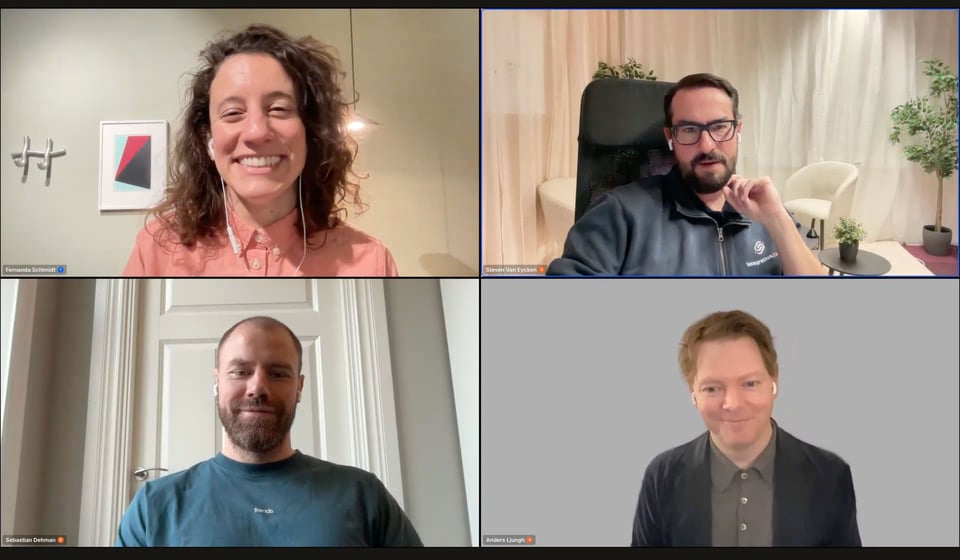
In the latest Frends webinar "Beyond BizTalk", Steven Van Eycken (Integration.Team), Anders Ljungh (Redpill Linpro) and Sebastian Dehman (Frends) shared candid insights and practical advice for teams planning their BizTalk exit, and how to turn that shift into a modernization opportunity.
“A lot of organizations are still waiting for the magical Microsoft solution — the one-click migrate button,” said Steven Van Eycken. “But it’s not going to come.”
The cost of waiting too long
Even if BizTalk seems to still be working “fine,” the panelists warned that lack of visibility, growing technical debt and talent attrition make it an increasingly risky dependency, something that becomes even more critical as migration is delayed.
"When this all goes out of support, there will be no security patches anymore. No more fixes. There are no guarantees that underlying components, like your Windows OS or your SQL Server, will stay compatible. We'll get no longer updates on specific adapters, for example, which can also lead to all the adapters becoming potentially unusable in the future," explained Steven.
Costs are also increasing rapidly, as Sebastian pointed out: "When something needs to get changed or added and so on. It can be hard to find consultants, because the BizTalk competence is starting to get scarce, and that trickles down into a higher TCO (total cost of ownership)."
"As long as it kept running, nobody was questioning it. But that also meant that over time, knowledge faded away," said Steven.
From developers to the business: making integration visible
A recurring theme throughout the discussion was the importance of transparency — not just for IT, but across the organization.
“The hidden risk is the black box effect,” said Steven. “The people who built it are often no longer part of the organization... and the only reason [BizTalk] is still there is because nobody dares to touch it.”
Modern iPaaS platforms like Frends do more than just replace legacy tech. They bring integration out into the open with visual orchestration, traceability, and real-time observability.
BizTalk developers have an advantage as companies migrate to new platforms, as most teams already have the skills needed to migrate and maintain modern solutions — especially with tools like Frends that support .NET and BPMN.
What a confident migration strategy looks like
Each speaker emphasized that migrations don’t have to be painful or rushed, but they do need a clear plan.
Anders introduced a structured four-step approach used in Redpill Linpro’s projects:
-
Inventory and assess integrations
-
Identify gaps and areas of simplification
-
Design future-fit processes with the right platform
-
Migrate in small, manageable waves
"You can also take the opportunity to make important steps in your digitalization journey," said Anders.
Don’t just replace — rethink
One of the most important takeaways? Migration isn’t just technical. It’s an opportunity to redesign how your organization thinks about integration.
"The world is moving much faster now (compared to) when BizTalk was released, so you want to have a new platform that is more agile and moves with the times," said Anders.
Sebastian complemented: "Companies actually have a lot to win. It's a chance to eliminate technical debt. Many of those complex BizTalk orchestrations actually can be consolidated into far few and cleaner processes."
Ready to move beyond BizTalk?
Whether you're facing tight timelines or just beginning to plan, this webinar offers real-world clarity from people who've done it.
Watch the Beyond BizTalk webinar on demand